

Grief is a natural, yet deeply personal response to loss. Whether you’re mourning the death of a loved one, the end of a relationship, or another significant life change, grief can be overwhelming and affect every aspect of your life. At Revive Counseling, we understand that everyone’s grief journey is unique, and there is no right or wrong way to grieve. This guide explores effective strategies to help you cope with grief, understand the grieving process, and find healing on your own terms.
TLDR: Key Takeaways for Coping with Grief
- Grief is a normal, natural response to loss that manifests differently for each person.
- The grief process isn’t linear—expect ups and downs as you heal.
- Self-care, emotional expression, and social support are vital components of healthy grief coping.
- Seek professional help if grief becomes overwhelming or if you experience complicated grief symptoms.
- Supporting others through grief requires patience, presence, and practical assistance.
Taking the Next Step Toward Healing
If you’re struggling with grief, remember that you don’t have to face this journey alone. At Revive Counseling, our compassionate team specializes in grief support, offering evidence-based therapy approaches tailored to your unique needs and circumstances.
Whether you’re experiencing normal grief, complicated grief, or supporting a loved one through loss, we’re here to help. Our therapists provide a safe space to process your emotions, develop coping strategies, and find a path forward while honoring your loss.
Take the first step toward healing today by contacting us to schedule a consultation. Grief may be a natural part of life, but with the right support, you can find your way through this challenging time.
Understanding the Grief Process and Its Impact
What is Grief?
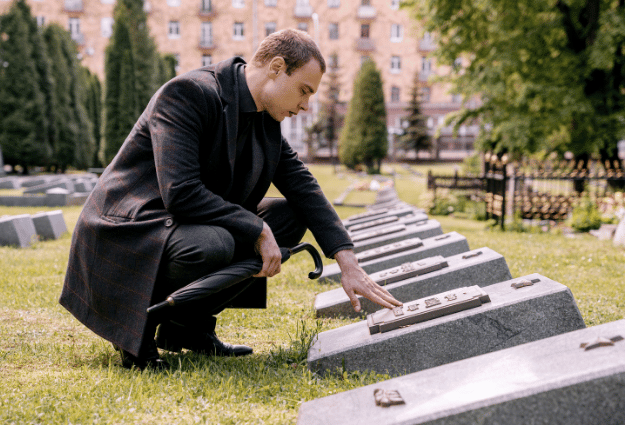
Grief is our natural response to loss – a complex mixture of emotions, physical sensations, and thoughts that arise when something or someone we value is gone. It’s important to recognize that grief is not a sign of weakness or failure but a normal response to significant loss in our lives.
The grieving process affects people differently. While some experience intense sadness immediately, others might feel numb or in disbelief initially. Some people grieve openly with tears and emotional expression, while others process their grief more privately. Both approaches are completely normal.
Types of Grief
Understanding the different types of grief can help you recognize and validate your own grief experience:
Normal grief involves a range of emotions and reactions that gradually improve over time. Most people experience periods of sadness, anger, guilt, and eventually acceptance as they adjust to their loss.
Complicated grief occurs when grief symptoms are more intense and persistent than typical. If you find that intense feelings of grief aren’t subsiding over time and are interfering with your ability to function in daily life, you might be experiencing complicated grief that requires specialized support.
Anticipatory grief happens before an expected loss, such as during a terminal illness of a loved one. This type of grief can be just as painful as grief after a death and can involve similar emotions.
Disenfranchised grief refers to grief that isn’t openly acknowledged, socially validated, or publicly mourned. This might include losses such as miscarriage, pet death, or loss of a non-family relationship that others might not recognize as significant.
Physical and Emotional Symptoms of Grief
Grief affects both our emotional and physical well-being. Common emotional symptoms include sadness, anger, guilt, anxiety, and sometimes relief. Many people describe feeling overwhelmed by confusing emotions during the grieving process.
Physical symptoms of grief can include:
- Fatigue and exhaustion
- Difficulty sleeping
- Changes in appetite
- Decreased immunity
- Physical pain or tightness in the chest
These physical symptoms are often overlooked but are a normal part of how our bodies process grief. If you’re experiencing persistent physical symptoms related to grief, consider reaching out to our depression treatment specialists in Spokane who can help address both the emotional and physical aspects of your grief.
The Non-Linear Nature of Grieving
One of the most important things to understand about grief is that it doesn’t follow a straight line or a predictable timeline. The well-known “stages of grief” (denial, anger, bargaining, depression, and acceptance) can be helpful in understanding common grief reactions, but most people don’t experience these stages in a particular order or move through them only once.
Instead, grief often moves in waves or cycles. You might feel you’re making progress and then experience a setback, especially around significant dates or anniversaries. This non-linear pattern is completely normal and doesn’t mean you’re regressing in your healing journey.
Effective Coping Strategies for Managing Grief

Acknowledging and Expressing Your Feelings
One of the most important aspects of coping with grief is allowing yourself to experience and express your painful emotions rather than avoiding them. Consider these approaches:
- Journal about your feelings: Writing about your grief experience can help process intense feelings. Try describing your emotions, writing letters to your loved one, or documenting memories.
- Talk about your loss: Share your feelings with trusted friends, family members, or a support group. Simply talking about your loved one and your loss can be therapeutic.
- Creative expression: Activities like painting, music, or other creative outlets can provide ways to express grief when words feel inadequate.
According to the American Psychological Association, acknowledging and expressing grief is crucial for healthy processing of loss and can prevent complicated grief from developing.
Self-Care Practices During Grief
When grieving, taking care of your physical and emotional needs is essential, though it can be challenging:
- Maintain routine: Try to keep some structure in your day, even if you need to simplify your normal routine.
- Physical activity: Regular movement, even gentle walking, releases endorphins that can temporarily lift your mood and improve sleep.
- Nutrition and hydration: Grief can affect appetite, but maintaining balanced nutrition supports your body during this stressful time.
- Rest: Prioritize sleep and rest, understanding that grief can be physically exhausting.
Research from the National Institute of Mental Health shows that physical self-care significantly impacts mental health outcomes during grief.
Finding Meaning and Purpose After Loss
Many people find that making meaning from their loss helps them cope with grief:
- Honor your loved one’s memory: Consider creating rituals, memorials, or ways to commemorate special dates.
- Connect to values: Reflect on what matters most to you in light of your loss, which might lead to new priorities or perspectives.
- Contribute to others: Some find comfort in helping others, volunteering, or supporting causes important to their loved one.
Building a Support System
Grief can feel isolating, but connection with others is vital for healing:
- Accept help: Allow others to support you practically and emotionally during this difficult time.
- Join a grief support group: Sharing with others who understand your experience can reduce isolation. The Substance Abuse and Mental Health Services Administration offers resources for finding local support groups.
- Connect with your community: Faith communities, social groups, or other communities can provide meaningful connection during grief.
Our mental health services in Spokane include support for building healthy coping mechanisms and strengthening your support system during times of loss.
When and How to Seek Professional Help

Signs That Grief May Require Professional Support
While grief itself isn’t a disorder and doesn’t always require professional treatment, certain circumstances might indicate the need for additional support:
- Persistent thoughts of suicide or feeling life isn’t worth living
- Inability to perform daily activities or responsibilities several months after the loss
- Intense feelings of guilt not related to the loss
- Feeling stuck in intense emotions that don’t improve over time
- Excessive use of alcohol or drugs to cope with grief
- Withdrawal from all social support
If you experience any of these symptoms, professional support may help you navigate your grief more effectively.
Benefits of Grief Counseling and Therapy
Grief counseling provides a safe, non-judgmental space to process your loss with a trained professional. Benefits include:
- Validation of your unique grief experience
- Strategies for coping with difficult emotions
- Help in adjusting to life after loss
- Support for complicated grief symptoms
Our therapy services in Spokane offer specialized support for individuals experiencing all types of grief and loss. Seeking help isn’t a sign of weakness but a step toward healing.
Types of Therapy Approaches for Grief
Several therapeutic approaches can help with grief processing:
- Cognitive Behavioral Therapy (CBT): Helps identify and change unhelpful thought patterns related to loss
- EMDR Therapy: Particularly helpful for traumatic grief or when there are traumatic elements to the loss. Our EMDR therapy in Spokane can help process difficult memories associated with loss.
- Complicated Grief Therapy: A specialized approach developed at the Center for Complicated Grief for those with persistent, intense grief symptoms
Supporting Others Through Their Grief Journey
How to Be There for a Friend or Family Member
Supporting someone who is grieving can feel challenging, but your presence matters more than finding the “perfect” words:
- Be present and listen without trying to “fix” their pain
- Acknowledge their loss directly rather than avoiding the topic
- Offer specific, practical help rather than saying “Let me know if you need anything”
- Remember significant dates that might be difficult for them
What to Say (and Not Say) to Someone Who is Grieving
Helpful things to say:
- “I’m so sorry for your loss.”
- “I’m here for you whenever you want to talk.”
- “Would you like to share memories about [person’s name]?”
- “There’s no right way to feel right now.”
Things to avoid:
- “They’re in a better place.”
- “I know exactly how you feel.”
- “It’s time to move on.”
- “At least they didn’t suffer.”
Helping Children and Teens Cope with Grief
Children and teens grieve differently than adults and need age-appropriate support:
- Use clear, simple language about death without euphemisms
- Reassure children that their needs will be met and they are safe
- Allow questions and provide honest answers appropriate to their developmental level
- Maintain routines when possible while allowing flexibility
- Consider family therapy services to help the entire family system adjust to loss together
Frequently Asked Questions About Grief
What are the stages of grief and do I have to experience all of them?
The five stages of grief—denial, anger, bargaining, depression, and acceptance—were initially proposed by psychiatrist Elisabeth Kübler-Ross. However, research now shows that grief doesn’t follow a linear progression through these stages. Not everyone experiences all stages, and you might move back and forth between them. There is no particular order or “right way” to grieve. Your grief journey is unique to you and your relationship with what you’ve lost.
How long does grief typically last?
Grief has no set timeline. The intense, acute grief typically begins to soften somewhat after a few months, with gradual improvement over time. However, grief is not something you “get over”—it’s something you learn to integrate into your life. Many people find that grief changes form over time rather than disappearing completely. Significant dates, anniversaries, or reminders may trigger grief feelings years later, which is a normal part of the grief process.
What is the difference between grief and depression?
While grief and depression share some symptoms like sadness and withdrawal, they are different experiences. Grief tends to come in waves, often triggered by reminders of the loss, and positive memories of the deceased can bring comfort alongside pain. With depression, the sadness is more persistent and general, not specifically tied to loss reminders.
In grief, self-esteem usually remains intact, while depression often involves feelings of worthlessness. If grief symptoms worsen over time rather than gradually improving, or if you experience persistent thoughts of suicide, it may indicate complicated grief or depression requiring professional support.
Is it normal to feel guilty during grief?
Yes, feeling guilty is a common and normal part of grieving. Many people experience “survivor’s guilt” or ruminate on things they wish they had said or done differently. These feelings of guilt often diminish as grief is processed, but they can be particularly painful. Talking with a therapist or counselor can be especially helpful if guilt feelings are intense or persistent during the grief process.
How can I cope with anticipatory grief when a loved one has a terminal illness?
Anticipatory grief occurs when we begin to grieve before an actual loss happens, such as during a terminal illness. This type of grief can be just as intense as grief after death. Coping strategies include:
- Spending meaningful time with your loved one while they’re still alive
- Creating opportunities for important conversations and memory-making
- Taking care of your own physical and emotional needs during this stressful time
- Seeking support from hospice resources, counselors, or support groups specifically for caregivers
- Allowing yourself to feel the complex emotions that arise, including sadness, anger, and even occasional relief
What is disenfranchised grief and how can I manage it?
Disenfranchised grief occurs when your loss isn’t openly acknowledged, socially validated, or publicly mourned. Examples include miscarriages, pet losses, non-family relationships, or losses that others might not understand.
To cope with disenfranchised grief:
- Validate your own feelings and right to grieve, regardless of others’ recognition
- Seek support from people who understand and respect your loss
- Create your own rituals or memorials to honor your loss
- Consider support groups specific to your type of loss
- Work with a therapist who specializes in grief and can provide validation and support