
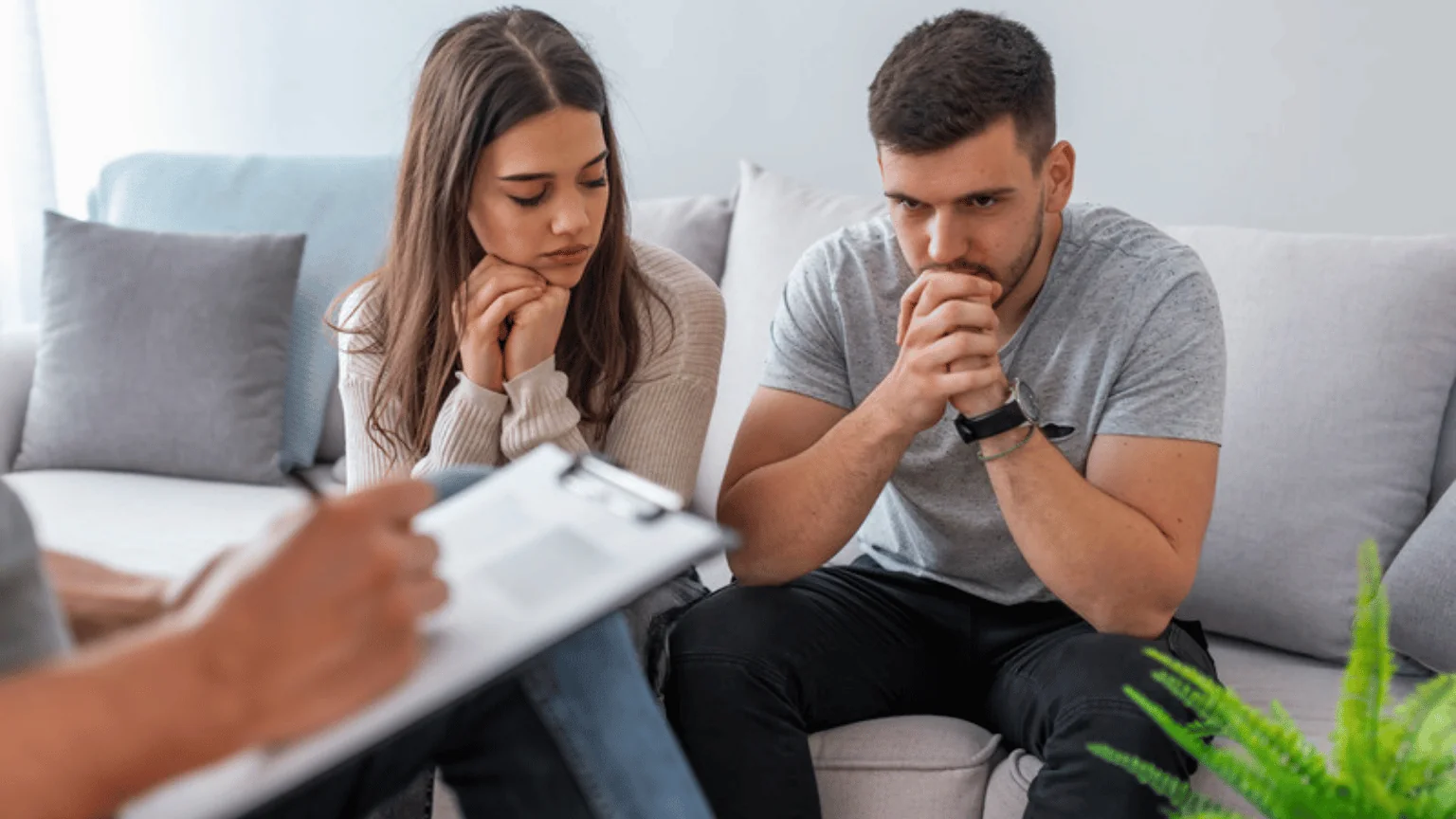
Does Couples Counseling Work? What Research Really Shows
Yes, couples counseling works for many relationships. Research shows that couples therapy improves relationship satisfaction, with studies demonstrating large average improvements in partners who participate compared to those who don’t seek help. The therapy process helps couples learn better communication skills, resolve conflict more effectively, and build a stronger connection—but success depends on both partners’ commitment and the approach used.
TLDR
- Research confirms couples therapy works: Studies involving thousands of couples show large improvements in relationship satisfaction for those who complete counseling compared to those who don’t seek help.
- Multiple proven approaches exist: Emotionally focused therapy, cognitive behavioral couple therapy, and the Gottman method all demonstrate effectiveness for different relationship issues.
- Both partners’ engagement matters most: Success depends on active participation from both people, consistent practice of skills learned, and willingness to examine personal contributions to relationship patterns.
- Benefits extend beyond staying together: Couples therapy improves communication, conflict resolution, emotional connection, and individual well-being regardless of whether partners ultimately stay married or separate.
Ready to Strengthen Your Relationship?
If you’re wondering whether couples counseling could help your relationship, taking that first step is often the hardest part. At Revive Counseling, our experienced therapists provide professional, compassionate support for couples navigating challenges and seeking to build stronger connections. Whether you’re dealing with communication problems, trust issues, or simply want to improve an already good relationship, we’re here to help. Contact us today to schedule your first session and start your journey toward a healthier, more fulfilling partnership.
The Evidence: What Research Says About Couples Therapy Effectiveness

The question “Does couples counseling work?” has a research-backed answer: yes, for most couples who engage in the therapy process. A comprehensive 2020 meta-analysis covering 58 studies and 2,092 couples found that relationship counseling produces significant improvements in relationship satisfaction. According to this study published in PubMed, couples who received therapy showed substantial positive change (Hedges’ g = 1.12), while those on waitlists showed minimal improvement.
Data shows that couples therapy work isn’t just about staying together—it’s about improving relationships through healthier ways of relating. A meta-analysis of 30 randomized trials found that behavioral marital therapy was significantly more effective than no treatment for distressed relationships, with medium-sized effects that helped many couples address their challenges.
Better outcomes depend on several factors, including the type of therapy used, the skill of the marriage counselor, and whether both partners actively participate. Research from the Journal of Marital and Family Therapy examined 33 randomized trials and found that couples who completed therapy showed medium-sized improvements that persisted at six-month follow-ups, demonstrating that skills learned in counseling can create lasting change.
How Couples Therapy Works to Improve Relationships
Marriage counseling addresses relationship dynamics by helping partners understand their communication patterns and break free from negative patterns that damage emotional connection. A skilled therapist creates a safe space where both partners can express concerns, rebuild trust, and develop coping strategies for future challenges.
The shared process involves more than just talking about problems. Couples counseling helps partners gain valuable insights into how their past experiences shape current relationship patterns. Through professional guidance, couples learn to recognize when frequent arguments stem from deeper issues rather than surface-level disagreements.
Common Approaches Used in Marriage Counseling
Different therapy approaches target specific relationship issues. Emotionally focused therapy helps partners strengthen their emotional connection and address attachment needs that influence how they relate to each other. This method has proven particularly effective for couples struggling with emotional distance or physical intimacy concerns.
Cognitive behavioral couple therapy focuses on changing thought patterns and behaviors that contribute to relationship distress. Similar to cognitive behavioral therapy approaches used in individual therapy, this method helps couples identify and modify unhelpful thinking that fuels conflict.
The Gottman method, developed through decades of research on marriage and relationships, teaches specific skills for better communication and conflict resolution. This structured way of addressing relationship concerns has helped countless couples improve their mutual understanding and create a strong foundation for their future together.
Some couples benefit from integrating dialectical behavior therapy techniques when emotional regulation becomes a barrier to healthy communication. Licensed therapists may also recommend types of family therapy when children or extended family dynamics play a role in relationship stress.
What Happens During the Therapy Process
During initial sessions, a couples therapist assesses relationship issues, communication problems, and each person’s goals for counseling. This evaluation helps create a treatment plan tailored to the specific challenges partners face, whether that’s improving communication, addressing mental health concerns, or rebuilding after betrayal.
The therapist helps couples recognize patterns in how they interact, particularly during conflict. By creating a neutral space for discussion, professional support allows partners to hear each other differently than they might at home. Many couples discover that what seemed like personality clashes are actually learned behaviors that can change with practice.
Throughout therapy, couples learn practical tools for better communication and emotional support. The therapist helps partners practice these skills during sessions before applying them at home, ensuring they can improve communication even when emotions run high.
Signs That Couples Counseling Can Help Your Relationship

Relationship counseling isn’t just for marriages in crisis. Taking a proactive step to seek help before problems become overwhelming often leads to better outcomes. Mental health professionals recommend counseling when partners notice persistent patterns that damage their connection or when life changes strain the relationship.
Recognizing Negative Patterns and Communication Problems
Frequent arguments about the same issues signal that underlying dynamics need attention. When partners feel stuck repeating conflicts without resolution, a marriage counselor can help identify what’s really driving the discord. Couples therapy addresses not just what partners argue about, but how they argue and what those patterns reveal about deeper needs.
Communication problems extend beyond disagreements. When one partner withdraws, when conversations feel unsafe, or when mutual understanding seems impossible, professional guidance can help. These patterns don’t reflect failure—they indicate that healthier ways of connecting haven’t been learned yet.
Physical intimacy issues often stem from emotional disconnection. When couples struggle with closeness, whether emotional or physical, therapy can help partners understand how stress, mental health concerns, or unresolved conflict affects their connection. Addressing these layers requires the neutral space and professional support that counseling provides.
When to Consider Relationship Counseling
Major life transitions strain even strong relationships. Job loss, health challenges, or other significant changes can disrupt established patterns and create new sources of tension. Couples therapy helps partners navigate these transitions while maintaining their connection and supporting each other’s personal growth.
Mental health concerns in one partner affect the entire relationship. Individual therapy addresses personal struggles, but couples counseling helps partners understand how to support each other while maintaining healthy boundaries. When depression, anxiety, or other conditions impact relationship dynamics, professional guidance benefits both the person and the marriage.
Trust violations require specialized support to heal. Whether addressing infidelity, broken promises, or other breaches of trust, a therapist helps couples decide if and how to rebuild trust. Not all relationships can or should continue after trust is broken, but counseling provides clarity for that decision and support for whatever path partners choose.
Key Factors That Influence Better Outcomes in Couples Therapy
The effectiveness of couples therapy depends significantly on what both partners bring to the process. While a skilled therapist provides professional guidance and creates structure for growth, lasting change requires active participation and commitment from each person in the relationship.
The Role of Both Partners in Creating Lasting Change
Success in couples counseling requires both partners to engage honestly and consistently. When one partner participates reluctantly or refuses to implement skills learned in therapy, progress becomes limited. The shared process works best when each person takes responsibility for their role in relationship patterns and commits to practicing new behaviors between sessions.
Couples learn to apply coping strategies and communication skills in daily life, not just during therapy appointments. This practice transforms insights from the neutral space of the counseling office into real behavioral change at home. Partners who actively work on their relationship between sessions typically see better outcomes and more rapid improvement.
The therapy process also supports personal growth for each individual. As partners develop stronger self-awareness and emotional regulation, they bring healthier versions of themselves to the relationship. This individual development, combined with the couple’s work, creates a stronger foundation for the partnership.
Finding the Right Therapist for Your Relationship
Choosing a qualified marriage counselor significantly impacts the therapy experience. Licensed therapists with specialized training in couples work understand relationship dynamics differently than those who primarily practice individual therapy. The American Association for Marriage and Family Therapy provides standards and credentialing that help couples identify qualified professionals.
The therapeutic relationship matters as much as the therapist’s credentials. Both partners should feel comfortable with the counselor and trust that the therapist remains neutral rather than taking sides. If the fit doesn’t feel right after a few sessions, seeking a different therapist is a legitimate choice that can improve the counseling experience.
Different approaches work for different relationships. Some couples benefit from the structured approach of cognitive behavioral methods, while others need the emotional depth of emotionally focused therapy. When trauma plays a role in relationship struggles, therapists trained in EMDR therapy or trauma-focused methods may offer specialized support. Discussing treatment approaches during initial consultations helps ensure alignment between the couple’s needs and the therapist’s expertise.
What to Expect: The Journey from First Session to Stronger Connection

The path through couples therapy varies for each relationship, but most couples follow a general progression. Early sessions focus on assessment and establishing safety, middle sessions involve active skill-building and pattern interruption, and later sessions work on maintaining gains and preparing for future challenges without the therapist’s direct support.
A therapist helps couples set realistic expectations for the timeline of change. While some improvements appear quickly—like feeling heard in a new way or having one productive conversation—deeper shifts in relationship patterns take time. Most couples attend weekly sessions initially, though frequency adjusts based on progress and specific goals.
Improving relationships through therapy isn’t linear. Couples often experience setbacks or difficult sessions where old patterns resurface. These moments aren’t failures but opportunities to practice navigating challenges with new tools. A couple’s therapist uses these situations to reinforce skills and help partners understand how to recover from conflict more effectively.
Throughout therapy, partners build valuable insights about themselves and each other. Understanding why certain situations trigger strong reactions, recognizing each person’s attachment needs, or discovering how family of origin experiences shape current expectations—these realizations deepen mutual understanding and compassion. When combined with practical communication skills, this awareness creates the foundation for healthier relationship dynamics.
Beyond Couples Therapy: Building a Strong Foundation for the Future
The true measure of successful couples therapy extends beyond the final session. Couples who benefit most from counseling continue applying what they learned long after therapy ends. The skills learned become integrated into how partners relate, creating a stronger connection that withstands future challenges.
Many couples find that therapy equips them to handle problems they couldn’t have imagined addressing before. Conflict resolution skills, improved communication, and deeper emotional connection serve relationships through various life stages and stressors. Partners develop confidence in their ability to work through issues together rather than feeling helpless when difficulties arise.
Some couples return for future sessions during particularly stressful periods or transitions. This isn’t a sign of failure but rather a positive way to maintain relationship health. Just as individuals might seek professional guidance during challenging times, couples can use therapy as a resource throughout their relationship journey.
The professional support received during couples counseling often inspires partners to prioritize relationship maintenance. Regular check-ins, date nights, or simply practicing the communication patterns learned in therapy become habits that protect and nurture the marriage. This ongoing attention to the relationship represents the lasting change that effective couples therapy creates.
For relationships facing complex dynamics involving children or extended family, structural family therapy may provide additional support beyond couples working alone. Mental health resources extend beyond the therapy room, and couples who build a network of support—whether through counseling, trusted friends, or community—strengthen their foundation for long-term relationship health.
Frequently Asked Questions
Can couples therapy work if only one person wants to go?
Couples therapy typically works best when both partners actively participate, but therapy can still provide value when only one person initially wants to attend. A therapist can help the engaged partner develop better coping skills and communication approaches, which sometimes motivates the reluctant partner to join future sessions. However, creating lasting relationship change becomes significantly more challenging when one partner refuses to participate or engage in the shared process.
How long does it take to see positive change in a relationship after starting therapy?
Most couples notice some positive way their interactions improve within the first few sessions, such as feeling heard or having more productive conversations. However, addressing deep relationship patterns and achieving lasting change typically requires several months of consistent weekly sessions. The timeline varies based on the seriousness of the issues, how long negative patterns have existed, and how actively both partners engage in practicing skills between appointments.
Does couples therapy help with serious problems like infidelity or addiction?
Yes, couples therapy can address serious problems, including betrayal and substance use, though these situations often require specialized approaches and may take longer to resolve. When addiction is present, individual treatment for the person struggling with substance use typically happens alongside couples work. For relationships affected by infidelity, therapy provides a structured way to process pain, rebuild trust if both partners choose that path, and address underlying issues that contributed to the breach.
Will our relationship continue to improve after therapy ends?
The relationship continues improving after therapy ends when couples consistently apply the skills learned during treatment. Partners who practice healthy communication patterns, use conflict resolution strategies, and maintain emotional connection typically sustain and build upon their progress. Some couples return for occasional check-in sessions during life changes or stressful periods, viewing therapy as an ongoing resource rather than a one-time fix.
What if we keep having the same issues even after several therapy sessions?
When couples experience the same issues despite attending therapy, it may indicate that underlying patterns haven’t been fully addressed, that one or both partners aren’t implementing skills outside of sessions, or that the therapeutic approach isn’t the right fit. Discussing this concern directly with the therapist allows for adjustments to the treatment plan. Sometimes switching to a different therapy method or addressing individual mental health concerns through individual therapy alongside couples work helps break persistent patterns.
Does research from the American Association show specific data about success rates?
The American Association for Marriage and Family Therapy compiles research showing that couples therapy produces meaningful improvement for most participants, though specific “success rates” vary based on how studies define success. Data shows that approximately 70% of couples report improvement in relationship quality after completing therapy, though outcomes depend on factors including the severity of issues, the approach used, and each partner’s engagement. Success might mean staying together with improved satisfaction, developing better co-parenting skills, or separating more amicably—depending on each couple’s goals and circumstances.