What Does TMS Stand For? Understanding Transcranial Magnetic Stimulation
TMS stands for transcranial magnetic stimulation, a noninvasive form of brain stimulation therapy that uses magnetic pulses to treat certain mental health conditions. Originally approved by the FDA in 2008, this treatment has become an effective option for people with major depressive disorder and other conditions who haven’t responded to traditional treatments.
TLDR: Key Takeaways About TMS
- TMS stands for transcranial magnetic stimulation—a noninvasive brain stimulation therapy using magnetic pulses to treat depression, OCD, and other mental health conditions without surgery or anesthesia
- Treatment involves 4-6 weeks of daily sessions where an electromagnetic coil delivers repeated magnetic pulses to specific brain regions, particularly the dorsolateral prefrontal cortex, to reduce depression symptoms and improve mood regulation
- Common side effects are generally mild and include scalp discomfort, temporary facial muscle twitching, and headaches, while serious complications like seizures are extremely rare
- TMS offers an effective treatment alternative for people with treatment-resistant depression or obsessive-compulsive disorder who haven’t responded adequately to antidepressant medications or other depression treatments
Ready to Explore TMS Treatment?
If you’re dealing with treatment-resistant depression or other mental health conditions that haven’t improved with traditional approaches, TMS therapy at Revive Counseling might provide the relief you’ve been seeking. Our experienced team will evaluate whether you’re a good candidate for this noninvasive treatment and answer all your questions about what to expect. Don’t let depression control your life any longer—reach out to us today to schedule a consultation and learn how TMS could help you reclaim your well-being.
TMS Stands for Transcranial Magnetic Stimulation
Transcranial magnetic stimulation, commonly called repetitive TMS or rTMS, represents a significant advancement in mental health treatment. The term breaks down into three parts: “transcranial” means through the skull, “magnetic” refers to the type of energy used, and “stimulation” describes how nerve cells in the brain are activated. This noninvasive brain stimulation therapy doesn’t require surgery, incisions, or any invasive procedures—making it an appealing option for people seeking alternatives to medication or more intensive interventions.
TMS therapy uses an electromagnetic coil placed against the scalp to deliver repeated magnetic pulses directly to specific areas of the brain involved in mood regulation. According to the National Institute of Mental Health, these magnetic fields pass painlessly through the skull and stimulate nerve cells in targeted brain regions, helping to normalize activity in circuits that affect depression symptoms and other mental health concerns.
How TMS Therapy Works

Understanding how TMS works begins with recognizing that depression and other mental health conditions often involve disrupted communication patterns between different brain regions. The TMS device generates magnetic energy that passes through the skull to reach these areas, creating small electrical currents that help restore more typical neural activity.
The Science Behind Magnetic Pulses and Brain Stimulation
The TMS machine creates powerful but focused magnetic fields—similar in strength to an MRI machine—that penetrate the skull without causing pain or requiring anesthesia. When the electromagnetic coil positioned against your head administers TMS pulses, these magnetic fields induce electrical currents in the brain region being targeted. This process, called repetitive transcranial magnetic stimulation, occurs in rapid succession during each treatment session.
According to research published in the National Library of Medicine, the repeated magnetic pulses create lasting changes in neural circuits by strengthening connections between nerve cells. The TMS coil delivers thousands of pulses per session, and over the course of treatment, this repetitive stimulation helps rebalance brain activity patterns associated with depression and other conditions.
Targeting the Dorsolateral Prefrontal Cortex
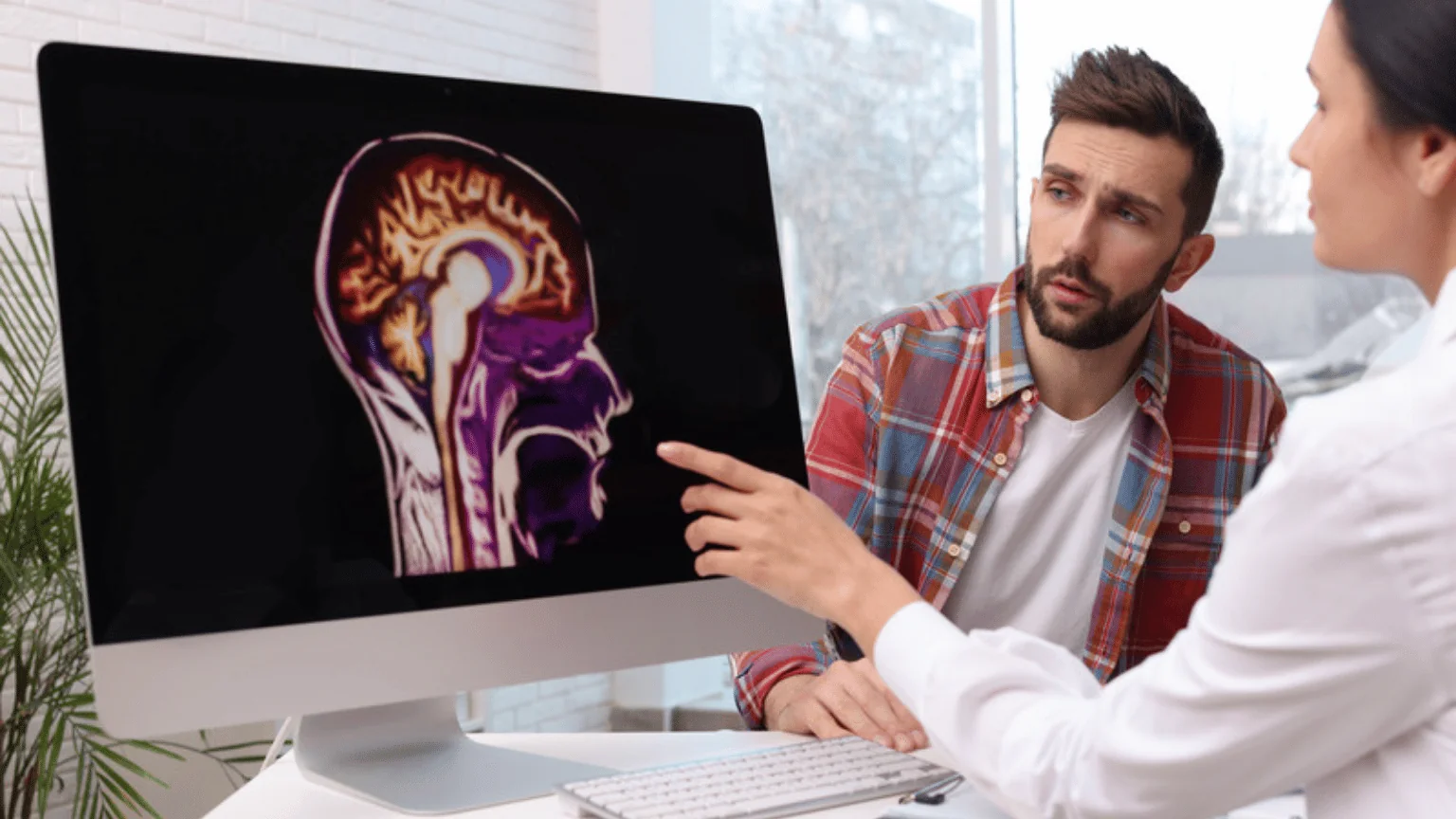
Most TMS treatment for major depression targets the dorsolateral prefrontal cortex, a brain region in the frontal lobe that plays a key role in mood regulation, decision-making, and emotional processing. Mayo Clinic notes that this area often shows decreased activity in people with severe depression, and stimulating it can help improve depressive symptoms.
Before beginning treatment, a clinician determines your motor threshold—the minimum magnetic pulse intensity needed to cause a small movement in your hand or facial muscles. This measurement, which involves targeting the motor cortex briefly, helps calibrate the TMS procedure to your individual brain anatomy, ensuring the magnetic coil delivers the right amount of magnetic energy to be effective while remaining safe.
What Conditions Does TMS Treatment Address?

While TMS therapy gained FDA approval initially for treatment-resistant depression, the approved TMS applications have expanded to include other mental health conditions. At Revive Counseling, our TMS therapy services in Spokane address several conditions where traditional treatments haven’t provided adequate symptom relief.
Major Depressive Disorder and Treatment-Resistant Depression
Major depressive disorder affects millions of people, and while antidepressant medications and talk therapy help many, some individuals don’t experience sufficient improvement. This is called repetitive tms or treatment-resistant depression—typically defined as depression that hasn’t responded adequately to at least two different antidepressant medications.
TMS provides an alternative depression treatment path for these individuals. The Clinical TMS Society reports that many people with treatment-resistant depression who undergo a full course of TMS experience a significant reduction in depression symptoms, with some achieving complete remission. Unlike medications that affect your entire body, TMS targets specific brain areas, avoiding many systemic side effects associated with antidepressant medications.
Obsessive Compulsive Disorder and Other Mental Health Conditions
Beyond major depression, the FDA has approved TMS for obsessive-compulsive disorder (OCD). According to an FDA announcement, this approval came after clinical trials demonstrated effectiveness for people whose OCD symptoms didn’t improve sufficiently with other treatments.
Research continues exploring TMS for other mental health conditions, including bipolar disorder, anxiety disorders, and various forms of mental illness. While these applications aren’t yet FDA-approved for all conditions, the expanding body of evidence suggests brain stimulation therapies may offer hope for people with certain mental health conditions who haven’t found relief through conventional approaches. Our team at Revive Counseling stays current with developments in this field to provide the most effective treatment options alongside our comprehensive depression treatment options and other mental health services.
What to Expect During a TMS Session
One of the advantages of TMS treatment compared to other brain stimulation therapies is its straightforward, outpatient procedure format. Understanding what happens during each treatment session can help reduce anxiety about starting this therapy.
The TMS Procedure: A Noninvasive Form of Brain Stimulation
Each TMS session takes place in a comfortable clinical setting where you sit in a specialized chair. The clinician positions the TMS device—a magnetic coil housed in a curved paddle—against your head at the precise location determined during your initial mapping session. Unlike electroconvulsive therapy, which requires general anesthesia, TMS doesn’t require anesthesia of any kind. You remain fully awake and alert throughout the entire TMS procedure.
During treatment, you’ll hear a clicking sound with each magnetic pulse and feel a tapping sensation on your scalp where the coil rests. Some people experience mild scalp discomfort during their first few sessions, but this typically decreases as you become accustomed to the sensation. The feeling is generally mild and doesn’t prevent most people from continuing treatment. You can resume normal activities immediately after each session—there’s no recovery period needed.
Treatment Duration and Session Schedule
A standard course of TMS therapy typically spans four to six weeks, with sessions scheduled five days per week. Each individual treatment session usually lasts between 20 and 40 minutes, depending on the specific protocol your provider recommends. At Revive Counseling, a full course is typically 36 treatments over about six weeks, followed by a gradual taper.
The time commitment is manageable for most people since it’s an outpatient procedure—you can drive yourself to and from appointments and return to work or other activities immediately afterward. Many people schedule their TMS sessions during lunch breaks or at the beginning or end of their workday. Our team works with each person to create a treatment schedule that fits their life while ensuring they receive the full therapeutic benefit of the protocol.
How TMS Differs from Other Brain Stimulation Therapies
When exploring treatment options for depression and other conditions, you’ll encounter several types of brain stimulation therapies. Understanding the distinctions helps you make informed decisions about which approach might work best for your situation.
Unlike Electroconvulsive Therapy: No Anesthesia Required
The most significant difference between TMS and electroconvulsive therapy (ECT) is that ECT requires anesthesia and deliberately induces a brief seizure to achieve therapeutic effects. Unlike electroconvulsive therapy, TMS is noninvasive, doesn’t require anesthesia, and doesn’t cause seizures intentionally. While ECT remains an effective treatment for severe depression in certain cases, many people prefer TMS because it allows them to remain conscious, doesn’t affect memory in the same way, and has fewer side effects.
Deep brain stimulation represents another category of brain stimulation therapies, but it involves surgical implantation of electrodes deep within the brain, similar to deep brain stimulators used for Parkinson’s disease. This invasive approach contrasts sharply with the noninvasive nature of TMS therapy. Vagus nerve stimulation involves surgically implanting a device that stimulates the vagus nerve in the neck, making it far more invasive than TMS as well.
Comparing TMS to Other Depression Treatments
Called repetitive tms because of its use of repeated magnetic pulses, this therapy fits into a comprehensive treatment approach that may also include other treatments like cognitive behavioral therapy, medication, and lifestyle modifications. Many people find that combining TMS with talk therapy provides better outcomes than either approach alone.
Other depression treatments include antidepressant medications, various forms of psychotherapy, lifestyle interventions, and, in some cases, ketamine therapy. What makes TMS unique among these options is its ability to directly influence brain activity in specific regions without the systemic effects of medication. For people who haven’t responded to antidepressant medications or who experience intolerable side effects from them, TMS offers a different mechanism of action that may prove more effective.
TMS Safety, Side Effects, and Effectiveness
Safety considerations matter when choosing any medical treatment. The good news is that TMS has an established safety profile with generally mild side effects, though understanding both benefits and risks helps set appropriate expectations.
Common Side Effects: Scalp Discomfort and Facial Muscles
The most common side effects of TMS are generally mild and temporary. Many people experience scalp discomfort at the treatment site, particularly during the first few sessions. Some notice twitching in their facial muscles during treatment as the magnetic pulses affect nearby motor areas. Headaches are also relatively common but typically respond well to over-the-counter pain relievers.
According to Yale Medicine, these side effects usually diminish as treatment continues and your body adapts to the sensation. More serious side effects are rare. Seizures can occur but are extremely uncommon, occurring in fewer than 0.1% of treatments. The tapping sound of the machine requires hearing protection during each session to prevent any potential hearing issues.
Who Is a Good Candidate for Approved TMS?
Not everyone is a suitable candidate for TMS therapy. People with certain medical devices or metal implants in or near their head—such as cochlear implants, aneurysm clips, or certain deep brain stimulators—typically cannot receive TMS safely because the magnetic fields could interfere with these devices or objects. Your provider will conduct a thorough screening to identify any contraindications.
Ideal candidates typically have major depressive disorder or obsessive compulsive disorder that hasn’t responded adequately to other treatments. People who experience intolerable side effects from antidepressant medications often find TMS to be an effective treatment alternative. The therapy works best as part of a comprehensive approach that may also include our behavioral health services, psychotherapy, and other supportive interventions.
Research shows that many people experience a significant reduction in symptoms after completing a full course of treatment. Some achieve complete remission of symptoms, while others notice meaningful symptom relief that improves their quality of life and functioning. Response rates vary, but studies indicate that roughly 50-60% of people with treatment-resistant depression experience meaningful improvement, and about one-third achieve remission.
Getting Started with TMS at Revive Counseling

If you’re struggling with severe depression, treatment-resistant depression, or obsessive-compulsive disorder and haven’t found adequate symptom relief through other approaches, TMS therapy might offer the breakthrough you need. At Revive Counseling, we understand that living with persistent mental health conditions affects every aspect of your life—your relationships, work, daily functioning, and sense of hope for the future.
Our team has extensive experience providing TMS treatment as part of comprehensive mental health care. We don’t just operate the TMS machine—we take time to understand your unique situation, treatment history, and goals. This personalized approach ensures that TMS fits appropriately within your overall treatment plan, complementing other therapies you may be receiving.
The decision to try TMS therapy is significant, and we’re here to answer your questions. Many people want to know about insurance coverage, time commitment, what the experience feels like, and realistic expectations for outcomes. We encourage you to explore our common questions about TMS therapy page for detailed information, and our staff is always available to discuss whether TMS might be right for you.
Frequently Asked Questions About TMS
What is vagus nerve stimulation, and how does it compare to TMS?
Vagus nerve stimulation (VNS) is an implantable medical device that sends electrical signals to the vagus nerve in the neck to treat depression. Unlike vagus nerve stimulation, which requires surgical implantation and continuously stimulates the nerve, TMS is completely noninvasive and delivered only during scheduled treatment sessions. VNS typically requires a surgical procedure to implant the device under the skin, while TMS involves no surgery whatsoever.
Can TMS help with traumatic brain injury or pain management?
While TMS is primarily FDA-approved for major depressive disorder and obsessive compulsive disorder, researchers are studying its potential applications for traumatic brain injury rehabilitation and pain management. Some studies show promise for using noninvasive brain stimulation techniques to address chronic pain and support recovery from head injury, though these uses aren’t yet standard approved applications. If you’re interested in TMS for conditions beyond depression or OCD, discuss the current evidence with your healthcare provider.
How is TMS different from deep-brain stimulation?
Deep brain stimulation involves neurosurgical implantation of electrodes deep within specific brain structures, with wires running under the skin to a pacemaker-like device implanted in the chest. Deep brain stimulators require invasive surgery and are typically reserved for conditions like Parkinson’s disease or severe treatment-resistant psychiatric conditions. TMS, in contrast, is completely external and noninvasive—the magnetic coil never penetrates your skin or skull.
Can people with cochlear implants or a seizure disorder receive TMS?
People with cochlear implants generally cannot safely receive TMS because the powerful magnetic fields could damage the implant or cause injury. Those with a personal history of seizure disorder need careful evaluation, as TMS carries a very small risk of inducing seizures. However, many people with seizure disorder can safely receive TMS under appropriate monitoring. Your provider will review your complete medical history to determine safety.
Does the National Institute of Mental Health recommend TMS therapy?
The National Institute of Mental Health (NIMH) recognizes TMS as one of several brain stimulation therapies available for treating depression and other mental health conditions. NIMH has funded research into TMS effectiveness and mechanisms of action, contributing to the evidence base supporting its use. The organization provides educational resources about TMS while noting that treatment decisions should be individualized based on each person’s specific situation.
Is there a visual and narrative timeline showing how TMS treatment progresses?
While treatment experiences vary, most people follow a similar pattern: initial consultation and evaluation (week 0), motor threshold determination and first treatments (week 1), adjustment period where side effects may be present (weeks 1-2), gradual symptom improvement (weeks 3-4), and maximum benefit typically emerging by weeks 4-6. Some clinics provide a visual and narrative timeline during the consultation process to help you understand what to expect at each stage. Our team at Revive Counseling walks you through the entire journey, so you know what to anticipate.