
What Is Seasonal Affective Disorder?
Seasonal affective disorder (SAD) is a type of depression that follows a seasonal pattern, typically beginning in late fall or early winter and improving during spring and summer months. According to the National Institute of Mental Health, SAD is more than just the winter blues—it’s a form of major depressive disorder that recurs at about the same times each year and can significantly impact daily functioning.
TLDR: Key Points About Seasonal Affective Disorder
- Seasonal affective disorder is a type of major depressive disorder that follows a seasonal pattern, most commonly occurring during fall and winter months when daylight hours decrease
- Symptoms include low energy, increased sleep, weight gain, and social withdrawal for winter SAD, while summer SAD causes insomnia, anxiety, and appetite loss
- Treatment options include light therapy using a 10,000-lux light box, cognitive behavioral therapy to address negative thought patterns, and antidepressant medication to regulate brain chemistry
- Professional diagnosis is important to distinguish SAD from other mental disorders and develop an effective treatment plan
Take Control of Your Mental Health
If you’re experiencing symptoms of seasonal affective disorder, you don’t have to wait for the seasons to change to feel better. At Revive Counseling, our team provides comprehensive evaluation and evidence-based treatment for depression and other mental health concerns. We offer personalized care plans that may include therapy, treatment coordination, and ongoing support to help you thrive year-round. Contact us today to schedule a consultation and start your journey toward better mental health.
Understanding Seasonal Affective Disorder
Seasonal affective disorder is classified in the Diagnostic and Statistical Manual of Mental Disorders as a specifier of major depression. This means experiencing seasonal affective disorder involves meeting the criteria for clinical depression, but with depressive symptoms that emerge during specific seasons. The American Psychiatric Association recognizes SAD as a serious medical condition that requires proper diagnosis and treatment from a mental health professional.
While most people associate seasonal depression with the winter months, SAD occurs in different patterns. Research suggests that fall and winter months trigger symptoms in most cases, but a less common form called summer depression affects some individuals during spring and summer months.
Types of Seasonal Affective Disorder
Winter-Pattern SAD
Winter depression, also called winter-pattern SAD, is the most common form of this mood disorder. SAD symptoms typically begin in early winter as temperatures drop and daylight hours shorten. This pattern is depression linked to less sunlight exposure, which disrupts the body’s internal clock and affects brain chemical balance.
People with winter-pattern seasonal affective disorder often experience low energy, increased sleep, weight gain, and carbohydrate cravings. According to Mayo Clinic research, these symptoms result from changes in serotonin and melatonin levels triggered by reduced light exposure.
Summer-Pattern SAD
Called summer depression, this less common seasonal pattern emerges in early summer and improves as fall approaches. Unlike the lethargy associated with winter depression, summer-pattern symptoms include trouble sleeping, appetite changes leading to weight loss, restlessness, and anxiety symptoms.
Symptoms of Seasonal Affective Disorder
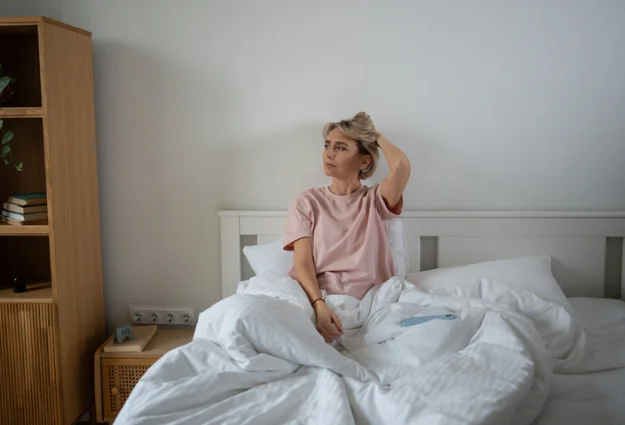
Common symptoms of SAD mirror those of other depressive disorders but follow a predictable seasonal pattern. Mental health professionals look for these recurring patterns when making a diagnosis.
Fall and Winter SAD Symptoms
Winter months bring distinct, sad symptoms that differentiate this pattern from other mental disorders. Key signs include:
- Persistent low mood and feeling sad
- Social withdrawal and loss of interest in activities
- Sleeping more than usual and difficulty concentrating
- Low energy and fatigue
- Increased appetite with carbohydrate cravings
- Weight gain
The National Institute of Mental Health notes that too much melatonin production during darker months contributes to these symptoms, disrupting normal daily rhythms and sleep patterns.
Spring and Summer SAD Symptoms
Summer depression presents differently. SAD diagnosed during warmer months typically includes:
- Insomnia and trouble sleeping
- Poor appetite and weight loss
- Restlessness and agitation
- Anxiety and irritability
- Episodes of violent behavior (in severe cases)
What Causes Seasonal Affective Disorder?
The exact cause of seasonal affective disorder remains under investigation through clinical trials, but scientists have identified several contributing factors that explain why depression worsens during seasonal changes.
The Role of Sunlight and Circadian Rhythm
Seasonal changes affect the body’s internal clock, or circadian rhythm, which regulates sleep patterns, mood, and hormone production. Less sunlight during the late fall and winter months disrupts this internal timing system.
When daylight hours shorten, your circadian rhythm can shift, leading to feelings of depression and fatigue. This disruption explains why SAD occurs primarily during months with reduced sunlight exposure.
Brain Chemistry and Hormones
Sunlight directly influences brain chemical production. Reduced bright light exposure affects serotonin, a neurotransmitter that regulates mood. Lower serotonin levels are associated with depression and other mental illnesses.
Additionally, darkness triggers melatonin production. During winter months, extended darkness can lead to too much melatonin, causing excessive sleepiness and depression. According to Mayo Clinic, people with SAD may also have reduced vitamin D levels, which plays a role in serotonin production.
How Is Seasonal Affective Disorder Diagnosed?
A mental health professional diagnoses seasonal affective disorder through a comprehensive evaluation. The Statistical Manual criteria require that depressive symptoms occur during specific seasons for at least two consecutive years, with symptoms remitting during other times of the year.
Your provider will assess whether you’re experiencing seasonal affective disorder versus other mental disorders like bipolar disorder or substance abuse-related depression. They’ll evaluate the timing of symptoms, their severity, and how they impact your daily life. This evaluation may include ruling out other medical conditions and discussing the family history of mood disorders.
If you’re concerned about depressive symptoms, mental health services can provide a thorough assessment and support.
Treatment Options for Seasonal Affective Disorder
SAD is treated effectively through various approaches, often combining multiple strategies. The National Library of Medicine documents that effective treatment typically includes light therapy, psychotherapy, or medication, or a combination of these methods.
Light Therapy
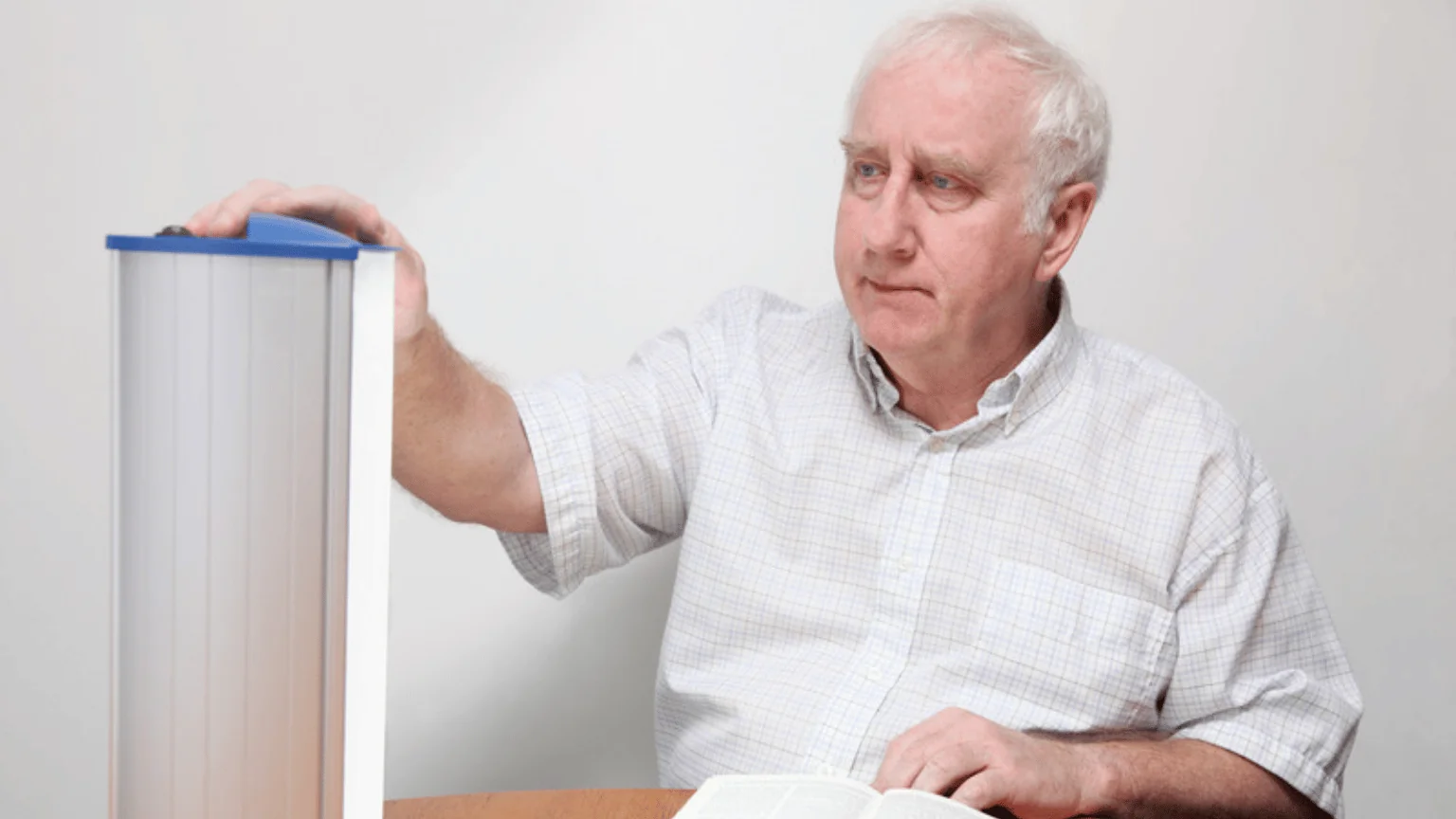
Light therapy is the most common first-line treatment for winter depression. This approach uses a light box that emits bright light (typically 10,000 lux of white light) to compensate for reduced natural sunlight.
Treatment involves sitting near the light box for 20-30 minutes each morning, usually starting in early winter before symptoms fully develop. The NHS guidelines note that bright light exposure helps regulate circadian rhythm and ease symptoms by influencing brain chemical production.
Important considerations for light therapy:
- Use only specialized light boxes that filter UV light
- Position the light box at the proper distance and angle
- Don’t look directly at the light
- Consult a provider if you have eye conditions or take medications that increase light sensitivity
- People with bipolar disorder should use caution, as light therapy may trigger manic episodes
Psychotherapy and Talk Therapy
Talk therapy, particularly cognitive behavioral therapy, helps address the negative thoughts and behavioral patterns associated with seasonal depression. CBT adapted for SAD focuses on identifying and changing thoughts that contribute to depressive symptoms.
How CBT addresses negative thought patterns makes it particularly effective for managing the psychological aspects of seasonal affective disorder. Therapy helps develop coping strategies and behavioral activation techniques to combat social withdrawal and low motivation.
Medication
Antidepressant medication may be recommended for moderate to severe SAD symptoms. Selective serotonin reuptake inhibitors (SSRIs) are commonly prescribed to address brain chemical imbalances.
Some people begin taking medication in late fall before symptoms emerge and continue through the winter months. Others may need year-round treatment if they experience an increased risk of depression at other times. Vitamin D supplements are sometimes recommended alongside other treatments, though research on their effectiveness as a standalone intervention remains mixed.
When to Seek Professional Help

If you notice depressive symptoms returning at about the same times each year, or if feelings of depression interfere with work, relationships, or daily activities, contact a mental health professional. Professional depression treatment can provide comprehensive evaluation and personalized treatment plans.
Seek immediate help if you experience thoughts of self-harm or suicide. Understanding behavioral health and mental health services available can help you access the right level of care for your situation.
Frequently Asked Questions About Seasonal Affective Disorder
Is seasonal affective disorder the same as just the winter blues?
No, seasonal affective disorder is a form of clinical depression that’s more severe than temporary winter blues. While many people feel slightly less energetic during winter months, SAD involves persistent depressive symptoms that significantly impair daily functioning and require treatment.
Can seasonal affective disorder lead to other mental illnesses?
Yes, untreated seasonal depression can increase the risk of developing other mental disorders or complications. People with SAD may turn to substance abuse as a coping mechanism, and the condition can worsen existing mood disorders. Proper treatment helps prevent these complications.
What happens during clinical trials for seasonal affective disorder?
Clinical trials test new treatments or refine existing approaches for managing SAD. Researchers study how different interventions affect depressive disorders, examining factors like optimal light therapy duration, medication effectiveness, and combinations of treatments.
Does the National Library provide resources about seasonal affective disorder?
Yes, the National Library of Medicine maintains extensive research databases and patient information about seasonal pattern depression. These resources help both patients and healthcare providers stay informed about the latest evidence-based treatments.
How do temperature drops affect seasonal affective disorder?
While temperatures drop in fall and winter coincide with SAD onset, the primary trigger is reduced daylight exposure rather than cold weather itself. However, cold temperatures may contribute to social withdrawal and reduced outdoor activity, which can worsen symptoms.
Can light therapy help with appetite changes and carbohydrate cravings?
Yes, light therapy can help normalize appetite changes and reduce carbohydrate cravings associated with winter-pattern SAD. By regulating circadian rhythm and brain chemistry, bright light exposure helps restore normal hunger signals and reduces the tendency toward comfort eating.